 Santa Fe’s DWI Forfeiture Ordinance benefited from the unexpected consequence of accruing $231,000 in revenue since the inception of the program in 2009. The city started the DWI Forfeiture Ordinance to keep chronic drunk drivers off the road. The $231,000 does not take into account the money owed to towing companies.
In 2012 alone, 64 vehicles have been seized under the DWI ordinance. The city’s ordinance states that the city has the right to forfeit any vehicle that is driven by a someone with a previous DWI conviction. The ordinance also extends to a vehicle that is knowingly being lent to a driver with a previous DWI conviction.
There are 46 vehicles and their owners and lien holders currently in legal dispute.
The city holds 129 vehicles in two different impound lots. The charge is $10 a day for storage.
City Attorney Alfred Walker says, “People are obviously not happy when they lose their car, but we try to make them feel like they’ve been heard through the process, and people usually respect that.”
When a car is seized, a person has 30 days to request an administrative hearing to either request an administrative hearing with the city or file an innocent-owner affidavit, which would state that the owner of the vehicle had no knowledge of the driver’s previous DWI offenses.
A hearing is set with an independent hearing officer to determine if police had probably cause to seize the vehicle. In just the month of October, there are already 50 hearings scheduled.
The vehicle is returned with no fees if the owner wins the hearing. The fees that are paid mount up quickly and substantially. There is a $200 administrative fee, a $70 a week fee to hold the car in addition to the $10 daily fee, a $150 boot fee, a $250 interlock tracking fee, and the towing fee which is variable.
If the hearing officer find that police did have probably cause to seize the vehicle, then the case is forwarded to a District Court where a judge decides whether to return the car to the owner, or hand the title over to the city of Santa Fe.
DWI Forfeiture Program Administrator Amanda Katz said that a majority of the vehicles that come to the impound lot are abandoned and never claimed.
Santa Fe has sold 40 vehicles in three auctions since 2009. The auctions made just over $42,000 in sales. A Ford Ranchero with just 21,368 miles on it sold for just $4,500, but most of the vehicles sold for less than $1,000.
The state Department of Transportation granted Santa Fe $320,000 over the last three years to get this forfeiture program off the ground and 2012 is the last year that Santa Fe will be aided by the grant.
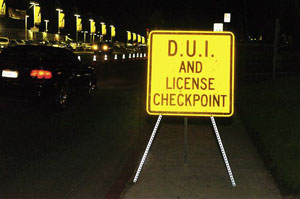 Pinellas County has very tough penalties for DUI, and tougher penalties can apply depending on your level of blood alcohol content. If your BAC is above .15%, you can be fined $1,500 for just a first offense, and you can face up to nine months in jail.
 Georgia has been overdue for DUI law reform, and in April the State Senate expanded SB 236, an Act which allows repeat DUI offenders to have more flexibility in their driving privileges.
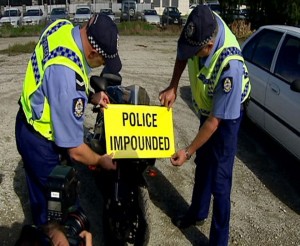 Bernalillo County in Arizona passed the Vehicle Seizure and Forfeiture Ordinance, an ordinance that is very similar to a law in the city of Albuquerque. Commissioner Wayne Johnson said the ordinance will seize the vehicles of repeat DWI offenders. Johnson said that if you have one DWI conviction and are arrested for another DWI, then your vehicle can be seized. Johnson said that counties surrounding Albuquerque have become a safe haven for drunk driving offenders, who have learned the laws and began using county instead of city roads. He repeated a story he heard from the city’s hearing examiner about a “gentleman who blew through a stop sign and went down the street and would not pull over until he got outside the city limit.” As the current law stands, a repeat offender who crosses over the river and pulls over when they are in the county would be allowed to keep their car. The new program is projected to cost the county $2 million and the Commissioner says the county is reportedly having discussions with the city about how to work together to save money. The number of cars brought to the city’s seizure lot is expected to increase and the vehicles which get auctioned off will help pay for the program. The new law is set to go into effect October 26, 2012.